Dropshipping product risks: returns, IP and safety rules
The products, claims and listings that get new stores into trouble, and the simple checks that keep you out of it.
A good product can still sink a store. The margin looks fine, the ads work and then the returns pile up, or a payment processor freezes your account, or a brand sends a takedown. Most of these problems are easy to spot in advance if you know where to look.
We write a risk section for every product on our list of the best AliExpress finds. This guide pulls those notes together into the five risks we see most, with real examples and the official sources linked at the end. It isn't legal advice. When the stakes are high, talk to someone qualified.
1. Brand and IP problems
This is the one risk that isn't worth managing. If a product uses someone else's brand name, logo, character or a design that copies a well-known product, don't sell it. It doesn't matter that the AliExpress listing is still up, the risk is yours. Selling it puts the legal and payment risk on you.
US Customs and Border Protection treats intellectual property enforcement as a priority trade issue and can seize goods that infringe trademarks or copyrights at the border. On top of that, ad platforms and payment providers act on brand complaints, often faster than any court would.
How it shows up on ordinary products
The tricky cases aren't the obvious fakes. They're unbranded products that borrow a little too much. A few examples from our own risk notes:
- The nylon crossbody sling bag is unbranded, but you need to make sure it doesn't copy the hardware or tag styling of well-known bag brands.
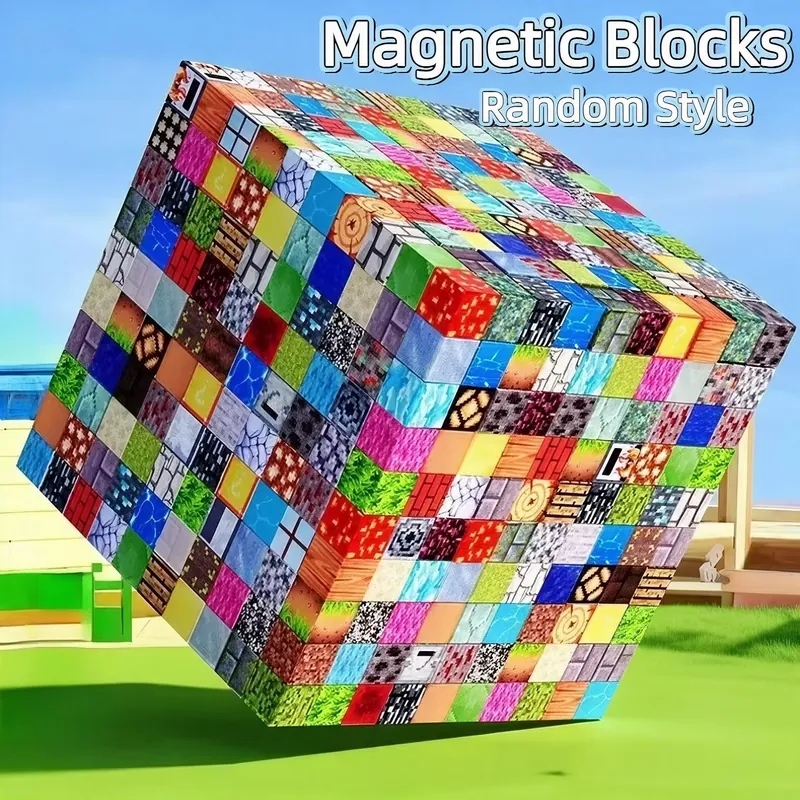
- The magnetic building cubes are fine as a generic toy. Using a famous video game's name or look in the packaging or ads is not.
- The satin heatless curling rod is a generic product, but one brand in that space advertises a patented design. Don't copy their claims or branding.
The rule we follow: no logos, no brand names in your ads or product titles unless you're an authorised seller, and no photos lifted from a brand's own site. If a listing's photos show a brand logo, that tells you something about the seller as well.
2. Returns and refunds
Return postage from the US to China usually costs more than a low-priced item. So in practice many dropshipping stores refund or send a replacement without asking for the item back. That's fine as long as you've counted it in your margin. We use a refund allowance in our margin math guide for exactly this reason.
What drives returns
- Fit and size. Anything worn on the body. Even the curling rod has a fit issue: buyers say cheap foam cores can bend or slip on fine hair.
- Compatibility. The RGB monitor light bar doesn't clamp cleanly on some curved or very thick monitors. The vlog monitor can have problems after phone updates. List the limits clearly.
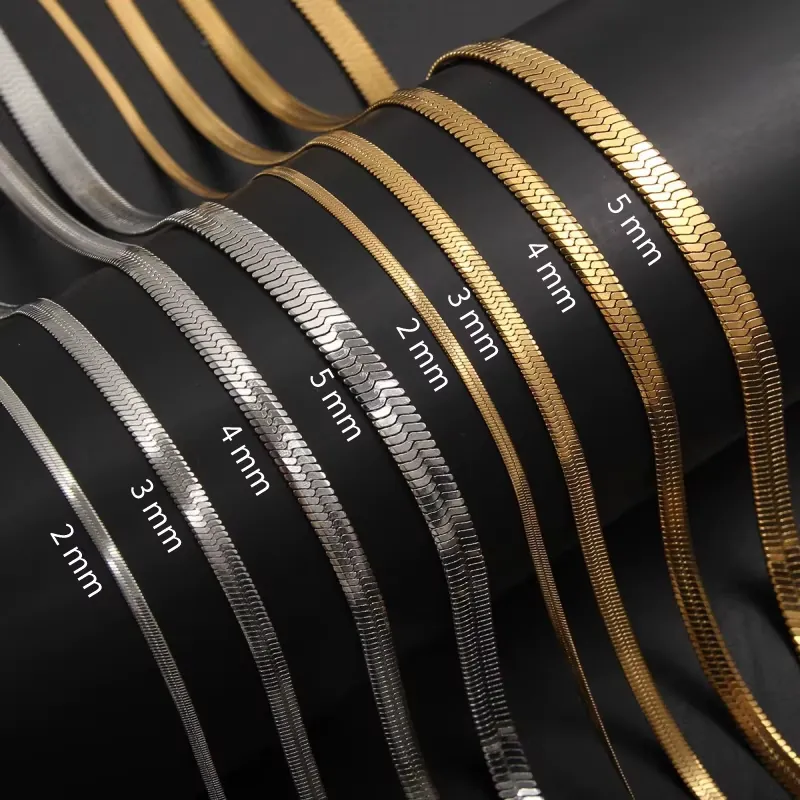
- Damage in transit. The herringbone necklace kinks if it's folded into an envelope. The astronaut projector's head can snap off if the box gets crushed. Ask the supplier how they pack.
- Expectations. Photos that look better than the real thing. A sample order fixes most of this.
3. Health and beauty claims
Beauty and wellness devices sell well, and they're also where ad accounts get shut down. The FTC's Health Products Compliance Guidance says that claims about health benefits need competent and reliable scientific evidence, and it covers health equipment, not only supplements. Ad platforms run their own, often stricter, checks.
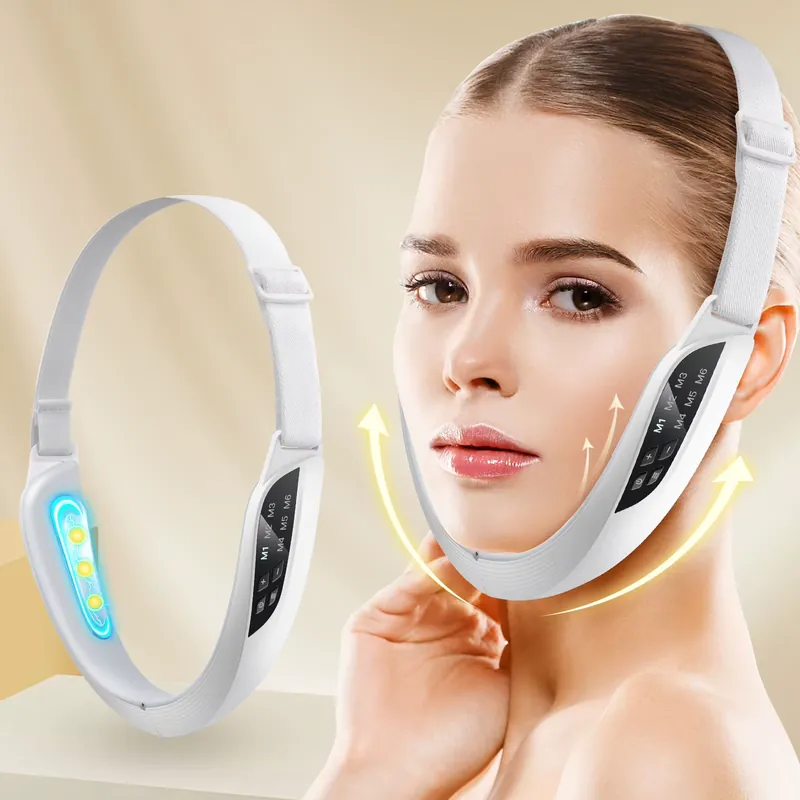
The EMS face and neck massager is a good example. It's a nice product with a real price gap. But if your ad says it removes wrinkles or permanently tightens skin, you're making a claim you can't back up. Talk about what it does instead: it's a rechargeable device with EMS, warmth and LED light modes that people use as part of a skincare routine. The massage gun is similar. Talk about using it after a workout, not about treating injuries.
4. Batteries
A lot of good products have batteries in them. On our list that includes the rechargeable hand warmer, the mini massage gun, the EMS massager and the vlog monitor. Lithium batteries need battery-capable shipping routes, which can be slower, and they make returns more complicated.
Coin and button batteries are a separate issue in the US. Under Reese's Law, CPSC's rule at 16 CFR part 1263 requires products that contain button or coin batteries to have secured battery compartments and warnings on the product and packaging. Toys follow the battery rules in the federal toy standard instead. The kids LCD drawing tablet is the example on our list: these boards usually run on a coin cell, so check that the battery door needs a screwdriver and that warnings are on the box before you sell it.
5. Kids products
Kids products are where US rules are strictest, and where we'd tell beginners to be most careful. According to CPSC, children's products (designed mainly for kids 12 and under) that are covered by children's product safety rules need third-party testing at a CPSC-accepted lab and a Children's Product Certificate. The certificate has to come from the importer, and CPSC notes that for direct-to-consumer imports the foreign seller may count as the importer. Toys fall under the federal toy standard at 16 CFR part 1250, which adopts ASTM F963 and includes rules for magnets and batteries.
Two of our picks are kids products:
- Magnetic STEM building cubes. The magnets must be sealed inside the cubes so they can't come loose, and age grading matters. Ask the supplier for test reports before you list them.
- Kids LCD drawing tablet. The coin cell battery is the main issue, as above.
If the supplier can't give you test reports, don't sell the product to US customers. Plenty of other products dont come with this risk.
A quick risk check before you list
| Question | If yes |
|---|---|
| Does it use any brand, logo or famous design? | Walk away. |
| Does it only sell with a health or beauty promise? | Rewrite the pitch around what it does, or skip it. |
| Is it for kids 12 and under? | Get test reports and a certificate first. |
| Does it contain a coin or button battery? | Check the battery door and warnings. |
| Does it contain a lithium battery? | Confirm the shipping route and plan returns. |
| Does it depend on fit, size or compatibility? | List exact sizes and limits, and budget for more refunds. |
| Can it break or bend in the mail? | Ask the supplier how they pack it. |
Risk isn't a reason to give up
Almost every product on our list has at least one item from that table. That's normal. The stores that last are the ones that read the risk before they launch and price it in. Pair this guide with how to pick AliExpress products worth dropshipping, and check the risk section on any product page on our product list before you add it to your store.
FAQ
What products should I avoid dropshipping?
Anything using another company's brand name, logo or a lookalike design, products that only sell with health or medical promises, and kids products you can't get proper testing paperwork for. Very fragile items and things with tricky sizing are risky too, mostly because of returns.
Do I need a Children's Product Certificate to dropship toys?
For children's products covered by CPSC rules, the importer has to issue a Children's Product Certificate based on testing by a CPSC-accepted lab. CPSC notes that for direct-to-consumer imports the foreign seller may count as the importer. If nobody in the chain can give you that paperwork, skip the product.
Can I sell products with lithium batteries?
Yes, plenty of stores do. They need battery-capable shipping routes and careful packing, and returns are harder because the customer can't always just drop them in the mail. Several picks on our best AliExpress finds list have built-in batteries, and each product page says so.
How do I handle returns when dropshipping from AliExpress?
Write a clear policy before you launch. Many stores refund or replace low-cost items without asking for them back, because return postage to China costs more than the item. Put that cost into your margin as a refund allowance.
Is it safe to use the supplier's product photos?
Check with the supplier first, and never use photos that come from a brand's own site or ads. The safest route is your own photos from a sample order.
Sources
- CPSC: Children's Product Certificate, checked Nov 24, 2026
- CPSC: Children's Product Certificate FAQ (who must issue the CPC; direct-to-consumer imports), checked Nov 24, 2026
- eCFR: 16 CFR part 1250, Safety Standard for Toys (adopts ASTM F963), checked Nov 24, 2026
- CPSC: Button Cell and Coin Battery Business Guidance (Reese's Law, 16 CFR part 1263), checked Nov 24, 2026
- FTC: Health Products Compliance Guidance (December 2022), checked Nov 24, 2026
- CBP: Intellectual Property Rights, checked Nov 24, 2026
- Risk notes on each of our product pages (AliExpress listings and US retail pages, linked there), checked Nov 24, 2026