Kids products and US safety rules for dropshippers
Toys and kids gadgets sell well from AliExpress, but US rules put the paperwork on the importer. What applies, what to ask suppliers for, and our two kids picks.
Kids products are tempting. Parents buy fast, grandparents buy gifts and AliExpress is full of toys at a fraction of US prices. But this is the one niche where we'd tell you to slow down before listing anything, because US law puts real paperwork duties on whoever brings a children's product into the country, and in a dropshipping setup that can be you.
This guide walks through the main US rules in plain English, based on CPSC and eCFR pages we read on November 24, 2026, then looks at the two kids picks on our list of the best AliExpress finds. It's a starting point, not legal advice.
What counts as a children's product
CPSC defines a children's product as a consumer product designed or intended primarily for children 12 years of age or younger. To decide, it looks at things like the manufacturer's stated intended use, how the product is packaged, displayed and advertised, whether people commonly see it as a kids product, and CPSC's age determination guidelines.
That second point matters alot for dropshippers. Your product photos, ad targeting and wording ("perfect for toddlers", "great gift for a 5-year-old") are part of how a product is judged. You can't market something to kids and then treat it as an adult product when it comes to the rules.
The Children's Product Certificate (CPC)
Children's products that fall under a CPSC safety rule need third-party testing and certification. According to CPSC, domestic manufacturers and importers have to certify in a written Children's Product Certificate, based on tests from a CPSC-accepted lab, that the product complies with the rules that apply to it. The CPC and test reports have to be in English.
A few points that trip people up:
- A test report isn't a CPC. CPSC's own FAQ for online sellers says a passing lab report is the foundation for the certificate, not the certificate itself.
- You don't apply to CPSC for it. It's a document the manufacturer or importer creates and issues.
- The lab has to be accepted by CPSC. You can check labs on CPSC's lab search.
- Required details. Among other things, a CPC lists the product, each rule it's certified to, the certifier, who keeps the test records, and when and where it was made.
In a dropshipping setup, who counts as the importer depends on how goods enter the US, and that's a question for a customs or compliance professional. What's clear is that "the AliExpress seller said it's fine" isn't a plan.
Tracking labels
Children's products also need permanent tracking information on the product and its packaging where practicable. CPSC's tracking label guidance lists details like the manufacturer or private labeler's name, the location and date of production, and batch or run information. Plenty of cheap AliExpress toys arrive with none of this at all. Ask the supplier for photos of the actual label before you list.
Small parts and choking warnings
Two rules work together here:
- Under 3. Under 16 CFR part 1501, toys and other articles intended for children under 3 can't contain small parts, judged with a test cylinder. Marketing is one of the factors in deciding whether something is intended for that age.
- Ages 3 to under 6. Under 16 CFR 1500.19, toys and games intended for children at least 3 but under 6 that include a small part need a "CHOKING HAZARD" cautionary statement.
So age grading isnt decoration. Calling a building set "for toddlers" can turn a legal 3+ toy into a banned one.
Toy safety, magnets and batteries
Toys must meet the federal toy standard, which incorporates ASTM F963 (16 CFR part 1250). It covers a lot, including magnets and batteries. On button and coin cells, CPSC's guidance notes that toys follow the battery rules in the toy standard, while other consumer products with these batteries fall under the newer coin cell rules for secured battery compartments and warnings. Either way, a coin cell a child can get to is a serious hazard, and you want a battery door that needs a tool to open.
Our two kids picks, and what they need
Magnetic STEM building cubes
Strong demand: 4.9 from 2,677 reviews with a 10,000+ badge (23,557 sold in search results). The base listing price was US $12.69 with free US shipping, but we couldn't confirm the piece count for that SKU, so check it yourself. US prices depend on the set size: $18.95 for 12 pieces at Kids-Dreams, $14.99 plus $6.99 shipping for 100 pieces at Walmart, $39.99 for a 64-piece Playmags set at Target, $98.98 for 300 pieces at LearnBrightMinds.
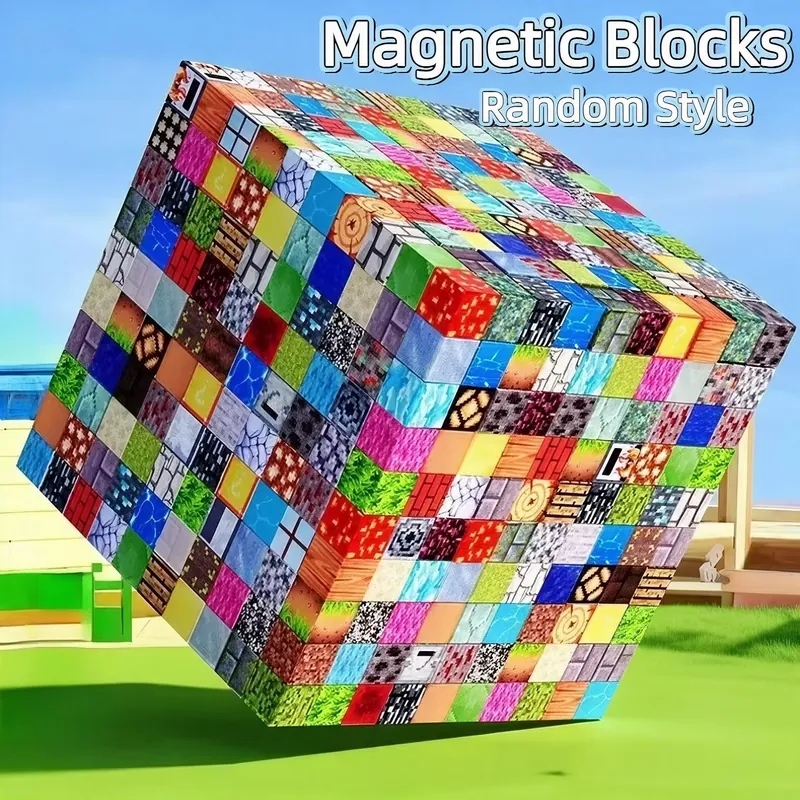
If $12.69 turns out to be a small set and you price at $18.95, you'd keep only about $5.41 after a 2.9% + 30¢ card fee, before refunds and ads. Bigger sets are where the gap is. The compliance side is the bigger deal though, and it's not close. Magnets need to be sealed inside the cubes so they can't come out, the age grading has to be right (3+), and you need test documentation that covers the magnet requirements. Also skip any game branding or lookalike blocks from famous franchises.
LCD writing and drawing tablet
Rated 4.9 from 736 reviews with a 5,000+ badge (5,692 sold in search results). US $4.09 with free US shipping, though that price may be for the smaller size, so check before listing. US prices: $17.99 plus $5.99 shipping for a 12-inch at Target, $19.99 at SmartPicksWorld, up to $43.74 at TheToddly. At $17.99 you'd keep about $13.08 before refunds.
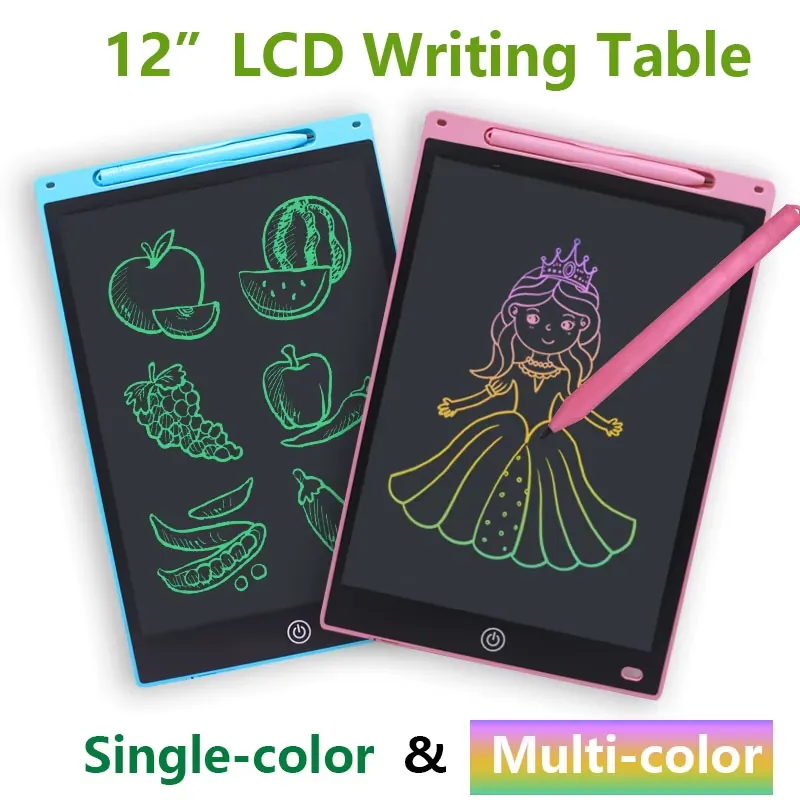
The catch is the battery. These boards usually run on a CR2025 coin cell. You want a screw-secured battery door, the right warnings, and paperwork showing it was tested. The screen can also crack in a soft mailer so ask about packaging.
What to ask a supplier before listing a kids product
- Test reports from a CPSC-accepted lab, covering the rules for this exact product (check the lab on CPSC's lab search).
- Photos of the tracking label on the product and packaging.
- The age grading and warning text printed on the box.
- For batteries: photos of the battery door and its screw.
- For magnets: confirmation they're sealed and what testing covered them.
If a seller goes quiet thats your answer. Our guide to supplier store ratings covers how to judge whether a seller is worth asking in the first place.
Should you sell kids products at all?
For a brand-new store, we'd usually say start elsewhere. Home, pet and seasonal products carry far less paperwork. If you do want kids products, pick a small number, sort out the documentation first, and be careful with gift-season delivery windows (see seasonal dropshipping). Our product risks guide puts kids rules alongside the other big risks.
Both picks are in our Toys, Kids & Baby category, and on the homepage list of AliExpress finds checked by hand, each with sources and check dates.
FAQ
What counts as a children's product in the US?
CPSC defines it as a consumer product designed or intended primarily for children 12 years of age or younger. How you label, package and advertise it is one of the factors, so marketing an item to kids can make it a children's product.
Do I need a Children's Product Certificate to dropship toys?
Children's products covered by CPSC safety rules need a CPC from the domestic manufacturer or importer, based on testing by a CPSC-accepted third-party lab. A lab report from the supplier isn't the CPC itself. If you're the importer, that responsibility can land on you.
Can I get a CPC from an AliExpress seller?
Some factories can provide test reports from accepted labs. Ask before you list, check the lab on CPSC's lab search, and talk to a compliance professional about who should issue the certificate for your setup. If a seller can't give you anything, don't sell the item as a kids product.
What about small parts and choking warnings?
Toys intended for children under 3 can't contain small parts under 16 CFR part 1501. Toys and games for ages 3 to under 6 that contain small parts need a choking hazard warning under 16 CFR 1500.19.
Is this legal advice?
No. It's a starting point from public CPSC and eCFR pages. Children's product rules are detailed, so check the current rules for your exact product or get professional help before selling.
Sources
- CPSC: Children's Product Certificate (CPC), checked Nov 24, 2026
- CPSC: Children's Products (definition, 12 and under), checked Nov 24, 2026
- CPSC: Online Sellers Safety Guide FAQs (test report is not the CPC), checked Nov 24, 2026
- CPSC: Tracking labels for children's products, checked Nov 24, 2026
- eCFR: 16 CFR part 1501 (small parts, children under 3), checked Nov 24, 2026
- eCFR: 16 CFR 1500.19 (choking hazard warnings, ages 3 to under 6), checked Nov 24, 2026
- eCFR: 16 CFR part 1250 (toy safety, ASTM F963), checked Nov 24, 2026
- CPSC: Button Cell and Coin Battery business guidance, checked Nov 24, 2026
- AliExpress product pages for the magnetic cubes and LCD tablet, ship-to United States, USD; links on each product page, checked Nov 24, 2026
- US retail comps (Kids-Dreams, Walmart, Target, LearnBrightMinds, Big Frenchies, SmartPicksWorld, TheToddly); links on each product page, checked Nov 22, 2026